


Table of contents
- What are Healthcare Courses?
- Why Healthcare Courses in London Matter for Career Options
- Key skills you can develop
- Main career options after healthcare courses
- Career options comparison table
- Health and Social Care Practice vs Healthcare Management
- Work placement and practical experience
- Can healthcare courses lead to nursing or social work?
- Progression routes after healthcare courses
- Why consider Mont Rose College?
- FAQs
- Final thoughts
Healthcare courses in London can support career options in health and social care, care support, healthcare administration, care coordination, community support and service management. They are suitable for students who want people-focused work, practical care-sector skills, or a route into further study in health and social care. The right course depends on whether you want direct care practice, leadership, healthcare operations or progression to a Level 6 top-up degree.
At Mont Rose College, students can explore healthcare-related studies through the HND in Health and Social Care Practice (Leadership and Management) and related progression routes such as the BA (Hons) Integrated Health & Social Care (L6 Entry Top Up). The college also hosts an HND in Healthcare Practice (Healthcare Management) course page; however, that page currently states the programme is not available for new applicants, so students should confirm current availability before making a course decision.
What are Healthcare Courses?
Healthcare courses are study programmes that prepare students for roles linked to care, wellbeing, community support, healthcare services and service leadership. Depending on the course, students may study communication, safeguarding, professional practice, equality and diversity, care planning, evidence-based practice, leadership and quality improvement.
Examples of healthcare-related study routes include:
- Health and Social Care Practice
- Leadership and Management in Health and Social Care
- Healthcare Practice or Healthcare Management
- Integrated Health and Social Care top-up degrees
- Further study routes into regulated professions, subject to university and professional-body requirements
Pearson’s 2025 Higher Nationals in Health and Social Care Practice are designed for professional and technical education at Levels 4 and 5, with a line of sight to employment or progression to further higher education. Pearson’s official qualification page lists the Level 5 Diploma as 240 credits and includes pathways such as General, Leadership and Management, Healthcare Science, Social and Community Work, and Ophthalmology.
Why Healthcare Courses in London Matter for Career Options
London and the wider UK health and social care sector include hospitals, care homes, community services, voluntary organisations, GP practices, supported living providers and healthcare administration settings. Studying in this field can help students understand how services support different people, needs and communities.
The need for skilled health and social care workers remains significant. Skills for Care reported that adult social care in England had 1.71 million posts in 2024/25 and projected a need for around 470,000 new posts by 2040 to keep up with the projected growth in the population aged over 65. Skills for Care workforce data does not guarantee individual employment, but it does show why qualified, committed and skilled care-sector workers remain important.
Key skills you can develop
- Communication and active listening
- Person-centred care and personalised support
- Care, compassion and empathy
- Safeguarding awareness and safe practice
- Teamwork, leadership and mentoring
- Evidence-based decision-making
- Reflective practice and continuing professional development
- Quality improvement and service-change awareness
- Professional writing, presentation and digital literacy
- Understanding equality, diversity and inclusion in care settings
These skills are also supported by Pearson’s specification, which identifies practice skills, problem-solving skills, independent skills, interpersonal skills and leadership skills as key employability areas for Health and Social Care Practice students.
Main career options after healthcare courses
Healthcare courses can support several career directions. Exact entry requirements vary by employer, role, qualification level and experience. The roles below should be treated as realistic career directions, not guaranteed outcomes.
Healthcare Assistant
Healthcare assistants look after patients in hospitals and sometimes at a patient’s home. This can involve supporting patients with daily care, helping people feel comfortable and working as part of a wider healthcare team. National Careers Service describes healthcare assistant roles.
Care Worker or Support Worker
Care workers support vulnerable people with daily activities and help them live as independently as possible. This route may suit students interested in residential care, domiciliary care, supported living or community support. National Careers Service care worker profile.
Senior Care Assistant or Senior Care Worker
Senior care workers provide physical and emotional support and supervise teams of care assistants. This may be a progression route after gaining experience in direct care. National Careers Service senior care worker profile.
Community Support Worker
Community support workers help people access services, build independence and take part in everyday life. This can be relevant for students interested in community wellbeing, supported living or social inclusion. Skills for Care adult social care job roles.
Care Coordinator
Care coordinators may help organise care schedules, communicate with families or professionals, maintain records and support service delivery. This type of role can link well with leadership and management study. Skills for Care job roles and workforce information.
Healthcare Administrator
Healthcare administration roles support clinical teams and patient care through tasks such as scheduling, record management, correspondence and service coordination. This route may suit students who want to work in healthcare operations rather than direct care. NHS South West London admin and clerical roles.
Health Service Manager or Care Service Manager
Health service managers run local healthcare services such as hospitals, GP practices and community clinics. Management roles normally require experience, strong leadership and, for some routes, higher-level qualifications. National Careers Service health service manager profile.
Career options comparison table
| Career option | What it involves | Useful course direction | Source note |
|---|---|---|---|
| Healthcare Assistant | Supporting patients with care and comfort | Health and Social Care Practice | National Careers Service |
| Care Worker / Support Worker | Supporting vulnerable people with daily activities and independence | Health and Social Care Practice | National Careers Service |
| Senior Care Worker | Supporting people and supervising care assistants | Leadership and Management after experience | National Careers Service |
| Community Support Worker | Supporting people in community or supported-living settings | Social care / community practice | Skills for Care |
| Care Coordinator | Organising care schedules, records and service communication | Leadership and Management | Skills for Care |
| Healthcare Administrator | Supporting appointments, records and communication | Healthcare management / administration | NHS Careers |
| Health Service Manager | Running local healthcare services or departments | Healthcare management / degree progression | National Careers Service |
Health and Social Care Practice vs Healthcare Management
Students often search for both health and social care courses and healthcare management courses. They are connected, but they do not have exactly the same focus.
| Route | Main focus | Best suited for | Important verification note |
|---|---|---|---|
| HND in Health and Social Care Practice (Leadership and Management) | Care practice, leadership, professional practice, service users, quality care and support | Students interested in health and social care practice, care leadership or progression to further study | Supported by MRC course page and Pearson 2025 Health and Social Care Practice specification |
| HND in Healthcare Practice (Healthcare Management) | Healthcare operations, management, administration and service coordination | Students interested in healthcare administration or management-focused study | MRC page currently states this programme is not available for new applicants |
| BA (Hons) Integrated Health & Social Care (L6 Entry Top Up) | Level 6 honours degree progression, safeguarding, interprofessional working, leadership and research-informed practice | Students progressing from a relevant Level 5 qualification | MRC page states it is offered in partnership with Buckinghamshire New University |
Work placement and practical experience
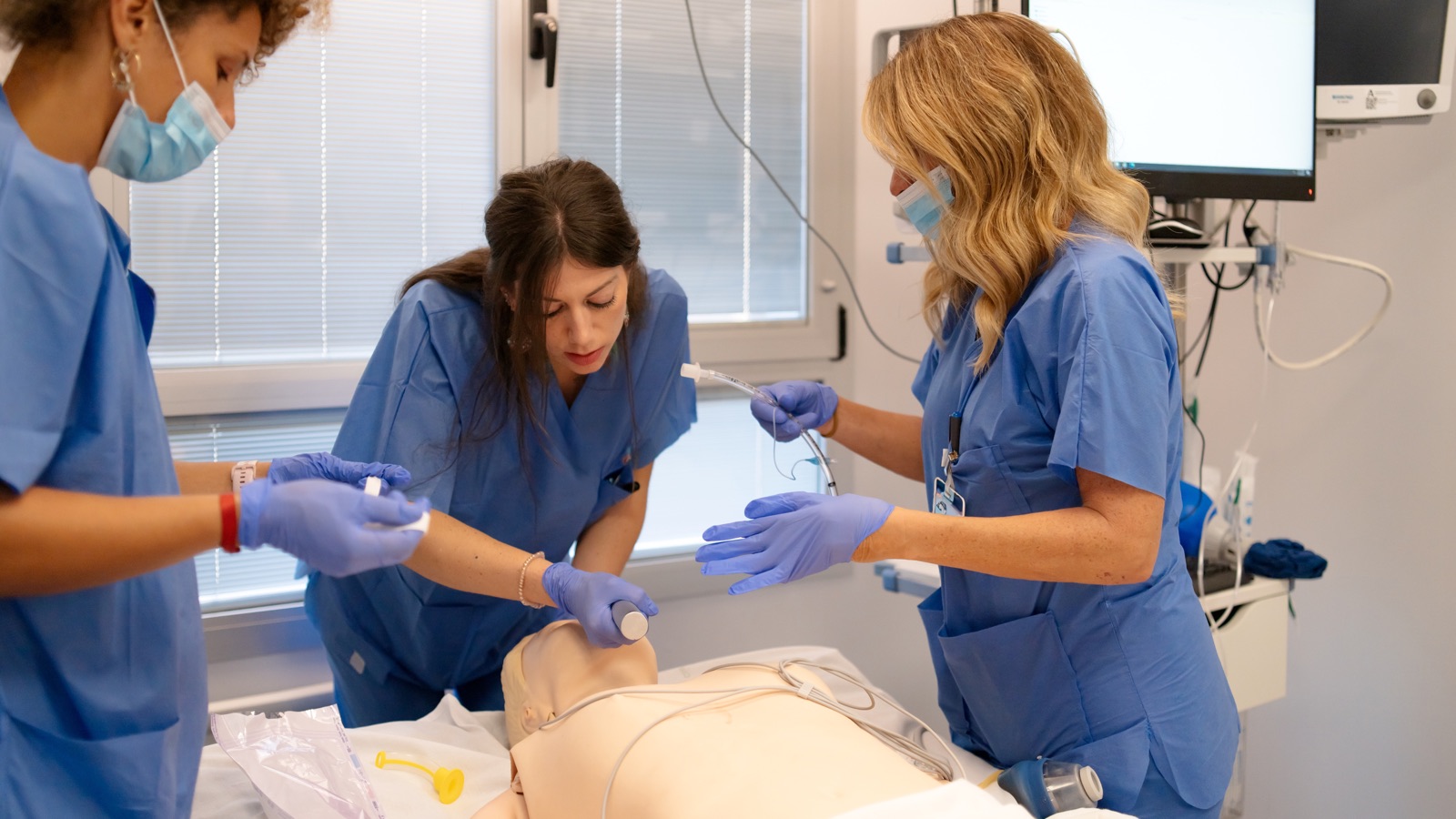
A key verified point for Health and Social Care Practice is work placement or work experience. Pearson’s specification states that the Level 4 HNC includes at least 225 hours of work placement or experience, while the Level 5 HND includes 450 hours across healthcare, social care or community settings. Placement examples include hospitals, GP surgeries, nursing homes, hospices and community settings, depending on the pathway and placement suitability.
For students, this matters because healthcare study is not only classroom-based. Practice learning, reflective discussion and workplace evidence can help students understand how care values, communication and leadership apply in real settings.
Can healthcare courses lead to nursing or social work?
Healthcare courses can support progression towards further study, but they do not automatically qualify someone as a nurse or social worker. This distinction is important for students and should be clear in any published course guidance.
For nursing, the Nursing and Midwifery Council states that all nurses working in the UK must be registered with the NMC and must have successfully completed an NMC-approved nursing education programme before registration. NMC becoming a nurse guidance.
For social work, Social Work England states that all social workers who want to work in England must be registered. Social Work England registration guidance.
Therefore, a Level 5 healthcare-related qualification may support applications for further study, but applicants must always check the entry requirements of the university, employer and professional regulator.
Progression routes after healthcare courses
After a healthcare-related course, students may progress in different ways depending on their qualification, experience and goals. Common routes include:
- employment in health and social care settings
- progression into senior support or care coordination roles after gaining experience
- healthcare administration or service support roles
- Level 6 top-up degree study, subject to entry requirements
- further study towards regulated professions such as nursing or social work, subject to approved routes and registration requirements
- longer-term progression towards leadership or management roles
Mont Rose College offers the BA (Hons) Integrated Health & Social Care (L6 Entry Top Up) in partnership with Buckinghamshire New University. The course page states that it is a Level 6 bachelor’s degree with honours, delivered full time over one year and carrying 120 credits.
Why consider Mont Rose College?
Mont Rose College offers healthcare-related study routes in London for students who want practical higher education with progression opportunities. The strongest current focus for this article should be the HND in Health and Social Care Practice (Leadership and Management), supported by progression information for the BA (Hons) Integrated Health & Social Care top-up.
- Pearson BTEC Level 5 HND route in Health and Social Care Practice
- Leadership and management focus for students interested in care-sector progression
- Work placement or work experience expectations for Health and Social Care Practice
- Level 6 top-up progression route through Buckinghamshire New University partnership
- London-based study with access to health, social care and community-sector context
FAQs
What healthcare courses can I study in London?
Students can consider health and social care practice, healthcare practice, healthcare management and integrated health and social care top-up routes. At Mont Rose College, the most relevant course pages for this article are the HND in Health and Social Care Practice (Leadership and Management), the HND in Healthcare Practice (Healthcare Management) page and the BA (Hons) Integrated Health & Social Care top-up route.
What jobs can I get after a health and social care course?
Possible directions include care worker, support worker, healthcare assistant, senior care worker, community support worker, care coordinator and healthcare administration roles. Exact eligibility depends on qualification level, experience and employer requirements.
Is healthcare management different from health and social care?
Yes. Health and social care practice usually focuses more on care, service users, safeguarding, values and support. Healthcare management focuses more on administration, operations, coordination, service delivery and leadership.
Can I become a nurse after a healthcare course?
A healthcare course may support your progression towards further study, but it does not automatically qualify you as a nurse. In the UK, nurses must be registered with the NMC and complete an approved nursing education programme before registration.
Can I become a social worker after a health and social care course?
A health and social care course may support progression towards social work study, but social work is a regulated profession in England. Social Work England states that social workers who want to work in England must be registered.
Does an HND in Health and Social Care Practice include placement?
According to the Pearson specification, the Level 5 HND in Health and Social Care Practice includes 450 hours of work placement or work experience across Level 4 and Level 5.
Final thoughts
Healthcare courses in London can support practical career directions in care, support, healthcare administration, coordination and service leadership. For students who want meaningful people-focused work, health and social care study can be a strong first step. For students who want a management or progression route, it is important to compare current course availability, entry requirements and Level 6 top-up options before applying.
Interested in starting your healthcare study journey? Explore Mont Rose College healthcare-related courses, check the latest availability and entry requirements, and speak to the admissions team before applying.