



“Wait… Where Did I Put My Keys?”
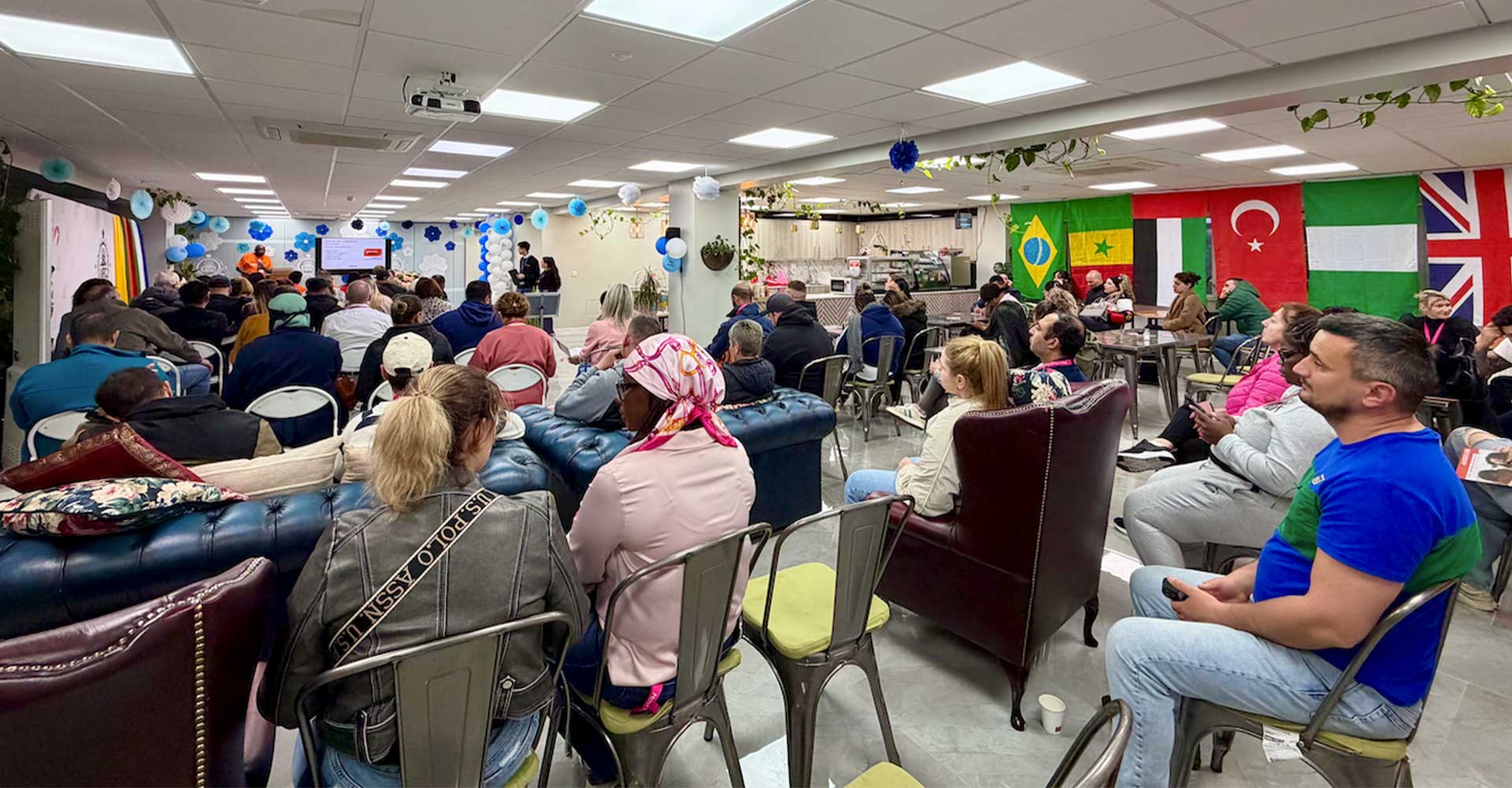
Recently, Mont Rose College organised an Alzheimer’s awareness event in collaboration with Alzheimer’s Research UK. The intention behind this event was to spread awareness and have a strong educational purpose. Instead, it turned into something much deeper and meaningful. The room filled up with many faces of students who showed up to hear stories, and advice on prevention.
More Than Memory Loss: The Human Side of Alzheimer’s
People often recognize Alzheimer’s for its inconvenience like prompting someone to forget names, misplacing keys, or awkward moments when your mind goes blank in the middle of your sentence.
Nevertheless, memory loss is just one aspect of Alzheimer’s. Alzheimer’s affects one’s identity, relationships, confidence, independence and entire families.
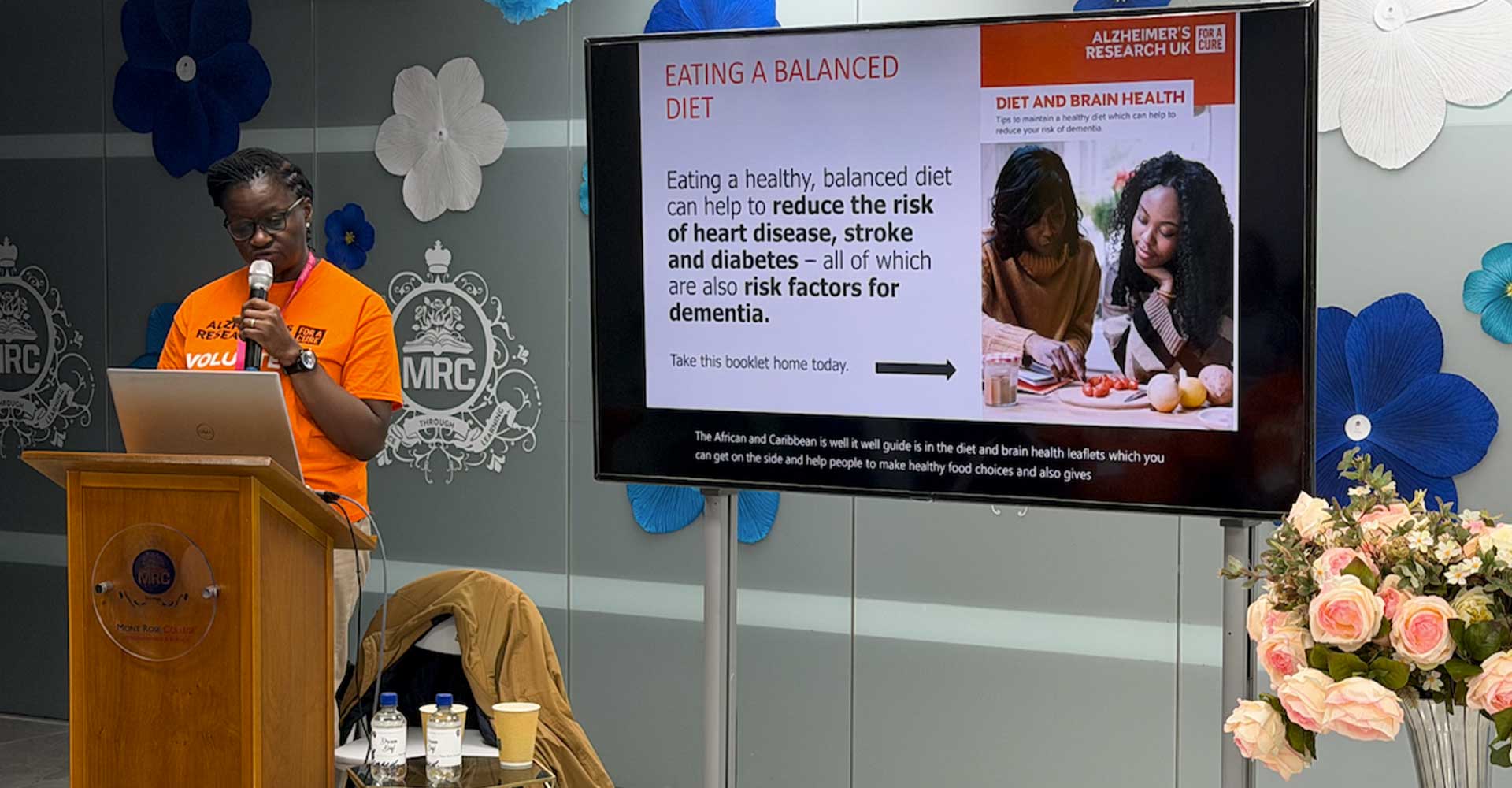
Something became very evident during the event: preventive care and general wellness aid us in more ways than we can ever imagine. The talk focused on how lifestyle decisions such as fitness and a healthy diet, mental stimulation, and social engagement can all encourage brain stimulation. Instead of fostering fear around Alzheimer’s, the discussion pushed people to reflect ways in which they can change the level of fitness and healthcare they can achieve.
As the discussion went on,it prompted everyone in the room to change their own routines and health decisions, talking about anything from stress management and food to exercise and sleep. It felt less like a formal lecture and more like an open and inspiring discussion about improving our own well-being.
Brain Health, But Make It Realistic
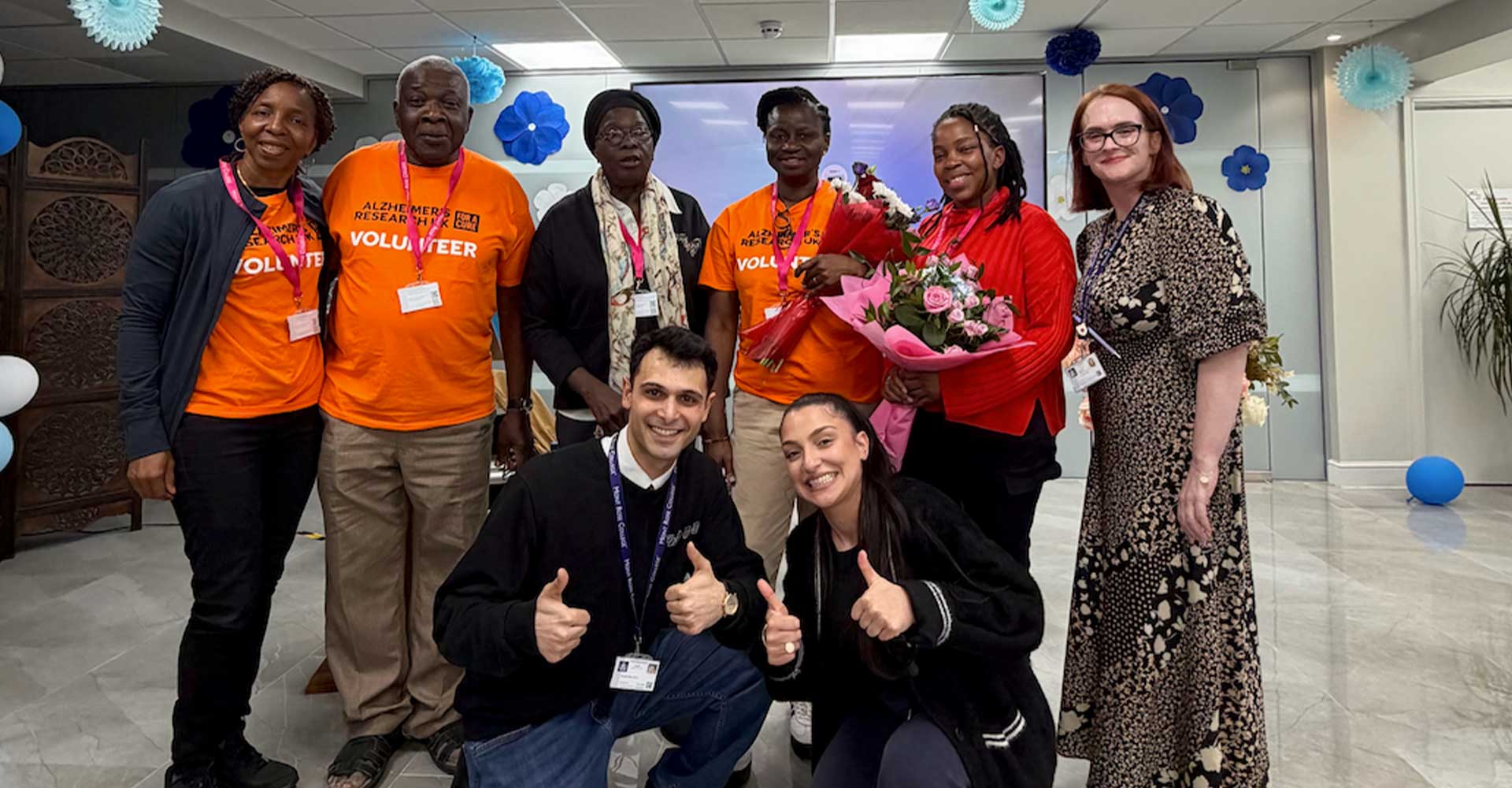
One of the event’s highlights was the session led by an Alzheimer’s specialist doctor and nurse who was invited by Alzheimer’s Research UK.
Medical discussions often follow the boring steps we all hear to achieve a successful balanced health, which we often hear:
“Get eight hours of sleep.”
“Sip water.”
“Lessen tension.”
This session was an absolute highlight to living healthy, and maximising your health without the boring parts and made very short and simple to understand! The talk was empowering and certainly not a talk that accumulated fear. Instead they made it short and clear to understand how routine, modest behaviors can genuinely promote long-term brain health:
They explained how small, everyday habits can actually support long-term brain health:
- staying physically active 🚶
- keeping the mind engaged 📚
- maintaining social connections ☕
- and taking care of overall wellbeing 💛
No scare tactics.
No overwhelming “perfect lifestyle” pressure.